
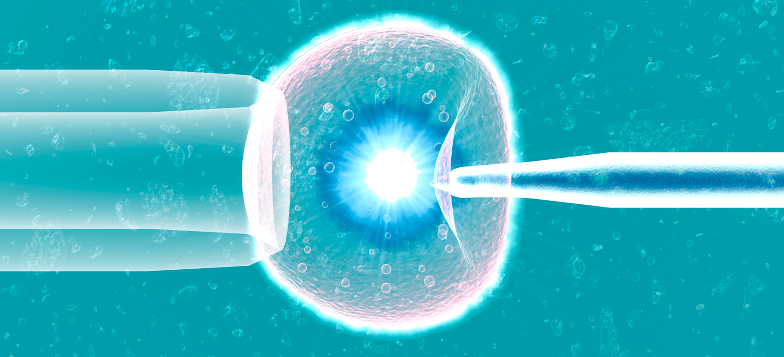
Chinese Medicine has a long history in its approach to Fertility. The recent trends utilizing Assisted Reproductive Technologies (ART’s) have created a need for a deeper understanding of the unique situations and conditions experienced while undergoing these procedures. Understanding western hormonal drugs and their therapeutic principles from a Chinese Medicine perspective is critical for integrating the western and eastern approaches. It is necessary to begin to define these drugs within the language of Chinese Medicine. This will help us determine the possible side effects and overall effectiveness that could be expected based on the state of each individual’s Qi prior to starting these therapies. Being able to diagnose and treat signs and symptoms associated with these hormonal therapies can enhance western outcomes as well as natural outcomes after failed attempts.
The following information is an attempt to begin a discussion on the use of western hormonal drugs and define their therapeutic affects and the pathomechanisms that they create, within the language of Chinese Medicine.
When we begin to try to evaluate the hormones and drugs used in the ART’s procedures from a Chinese Medicine (CM) perspective we can see a variety of patterns that develop. Most of these patterns develop in a very rapid progression especially if an underlying condition already exists.
Most cycles begin with the use of Birth Control Pills to stop the natural cycle so a controlled cycle leading to egg retrieval and transfer can begin. The use of birth control shuts down follicle production in the ovaries to prevent possible cysts from forming prior to ovarian stimulation. Lupron can also be used to shut down the natural cycle or to slow down or halt the timing on ovulation to enable artificial retrieval to take place. Lupron initially increases LH (luetinizing hormone) and FSH (follicle stimulating hormone), which increases estrogen. Then due to a feedback loop, continued use begins to decrease LH and FSH, which subsequently decreases estrogen levels. If this approach is used in a series of cycles the decrease in estrogen levels must then be addressed.
From a CM perspective this decrease in estrogen can equate to a decline in Yin, which is not only necessary in the development of the uterine lining but is also necessary in the growth and development of the placenta and fetus. With the decline of Yin, deficient heat signs will develop. The use of hormones to shut down the natural cycle can also create Liver Qi Stagnation leading to Blood Stagnation and Depressive Heat. Some signs and symptoms that develop quickly include breast tenderness, hot flashes, night sweats, and headaches commonly located in the occipital region on the back of the head or behind the eyes which can correspond to heat rising in the Urinary Bladder or Gall Bladder channel. Side effects of these hormones include cardiovascular issues such as high blood pressure, thrombosis, peripheral edema, phlebitis, EKG changes and can even lead to congestive heart failure. Gastrointestinal annoyances include constipation, nausea and vomiting. The list continues with vertigo, sleep disorders, sinus congestion, muscle and joint pain and urinary tract infections.
The next category of hormones, necessary to control the cycle are considered ovarian stimulants. It is very common to use Clomid (Clomiphene Citrate) to stimulate follicle production and continue to try to conceive naturally or to use it in conjunction with an IUI (intra-uterine insemination) which some know as artificial insemination. Clomid is an ovulatory stimulant that reacts with estrogen receptor sites shutting down the pituitary feed back system, tricking the pituitary into producing larger amounts of FSH than normal in an attempt to stimulate follicles to ripen. This eventually also leads to a decrease in estrogen levels.
From a CM perspective we can see that it is necessary for the Liver to upbear and out thrust Qi to stimulate additional follicle production. This can lead to the exhaustion of Liver Blood followed by Blood Stasis and Heat. This activity of the Liver demands invigoration of Yang, which leads again to the consumption or decline of Yin during ovarian stimulation.
By looking closely at these possible pattern progressions or pathomechanisms, it is easy to differentiate and treat the various side effects that are experienced while taking these ‘pushy’ hormones. Some of these side effects include night sweats and hot flashes, nausea and vomiting, abdominal discomfort, breast distension, ovarian enlargement, pelvic pain, irritability and mood swings, visual disturbances (blurred and floaters), headaches, abnormal uterine bleeding, thinning of the endometrial lining, and lack of fertile mucus or vaginal dryness.
Other ovarian stimulants used for IVF (in-vitro fertilization) procedures as well as IUI’s, more recently, are Follistim or Gonal F. These are injectables of pure follicle stimulating hormone (FSH) which bypasses the pituitary and works directly on the ovary to simulate multiple follicles (potential eggs).
Like the Clomid, but somewhat more aggressively, these hormones invigorate the Yang causing ascension of Liver Yang, which can create Blood Heat. This heat exhausts the Blood and consumes the Yin, which also adds to Liver Qi and Blood Stagnation.
The side effects of taking these hormones again reflect these CM patterns and include abdominal bloating and discomfort, breast swelling and tenderness, irritability and mood swings, skin rashes with itching and numbness and tingling in extremities or painful joints.
While using injectables, it is necessary to be monitored closely with ultrasound and bloodwork to avoid over-stimulation. Over-stimulation can be very dangerous especially in women with Polycystic Ovary Syndrome (PCOS) and can lead to a condition called Hyperstimulation Syndrome (OHS). The signs and symptoms become much more severe very quickly and can include extreme ovarian enlargement, severe abdominal pain, nausea and vomiting, increased risk of embolism, ascites, and pleural effusion.
From a CM perspective we can interpret this symptomotology as possible Liver Qi Stagnation leading to blood stagnation, or from 5-Element terminology as Wood aggressively over-acting on Earth, resulting in Spleen Qi deficiency with Damp accumulation.
The next step in the ART cycle can include hormones such as Profasi, Pregnyl, Novarel or Ovidrel. Each Reproductive Endocrinologist has their own favorite blend or approach, which they use to create the best outcomes for their experience. Profasi, Pregnyl, Novarel or Ovidrel are preparations of human chorionic gonadotrophin (hCG) that mimic Luetinizing Hormone (LH) which prepares the follicle at the right moment during ovulation to set the egg free and allow for the development of the corpus luteum.
The mechanism involved from a Chinese Medicine perspective is to quickly invigorate the Yang, which leads to exhaustion of Kidney Yang with transmutation to Liver Yang. This ascension of Liver Yang can create blood stasis and heat with stirring of wind.
The side effects from these hormones include abdominal pain, nausea and vomiting, dizziness, headaches, blood clots, embolism and stroke. These side effects fit the signs and symptoms of the above proposed pattern progression.
The key to success in treating women undergoing ART’s procedures is to be able to clearly differentiate the patterns developing due to the introduction of foreign types and amounts of hormones throughout the cycle. Understanding the possible pathomechanism induced due to the drugs or hormones used during these procedures can give you a greater understanding of how to approach treatment to enhance and support the final outcome. If you are able to begin treatments prior to cycling into the ART procedure then you are able to see a clearer picture of your patient and where their strengths and weaknesses exist. Removing stagnations and blockages as well as nourishing insufficiencies before a cycle begins can open the doors to more possibilities and support the path to a strong and healthy pregnancy.
Before you ever plant a seed you must first cultivate the soil!

 Preparing the Palace