I encourage my students and my patients to be as well informed as possible. Here are a few of the several titles out there that have similar approaches to fertility.
Month: August 2017


Enhancing Fertility and Improving the Effectiveness of Western Assisted Reproductive Technologies (ART’s)
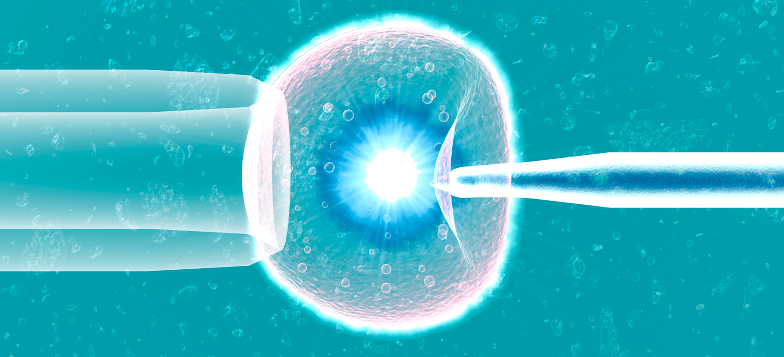
Chinese Medicine has a long history in its approach to Fertility. The recent trends utilizing Assisted Reproductive Technologies (ART’s) have created a need for a deeper understanding of the unique situations and conditions experienced while undergoing these procedures. Understanding western hormonal drugs and their therapeutic principles from a Chinese Medicine perspective is critical for integrating the western and eastern approaches. It is necessary to begin to define these drugs within the language of Chinese Medicine. This will help us determine the possible side effects and overall effectiveness that could be expected based on the state of each individual’s Qi prior to starting these therapies. Being able to diagnose and treat signs and symptoms associated with these hormonal therapies can enhance western outcomes as well as natural outcomes after failed attempts.
The following information is an attempt to begin a discussion on the use of western hormonal drugs and define their therapeutic affects and the pathomechanisms that they create, within the language of Chinese Medicine.
When we begin to try to evaluate the hormones and drugs used in the ART’s procedures from a Chinese Medicine (CM) perspective we can see a variety of patterns that develop. Most of these patterns develop in a very rapid progression especially if an underlying condition already exists.
Most cycles begin with the use of Birth Control Pills to stop the natural cycle so a controlled cycle leading to egg retrieval and transfer can begin. The use of birth control shuts down follicle production in the ovaries to prevent possible cysts from forming prior to ovarian stimulation. Lupron can also be used to shut down the natural cycle or to slow down or halt the timing on ovulation to enable artificial retrieval to take place. Lupron initially increases LH (luetinizing hormone) and FSH (follicle stimulating hormone), which increases estrogen. Then due to a feedback loop, continued use begins to decrease LH and FSH, which subsequently decreases estrogen levels. If this approach is used in a series of cycles the decrease in estrogen levels must then be addressed.
From a CM perspective this decrease in estrogen can equate to a decline in Yin, which is not only necessary in the development of the uterine lining but is also necessary in the growth and development of the placenta and fetus. With the decline of Yin, deficient heat signs will develop. The use of hormones to shut down the natural cycle can also create Liver Qi Stagnation leading to Blood Stagnation and Depressive Heat. Some signs and symptoms that develop quickly include breast tenderness, hot flashes, night sweats, and headaches commonly located in the occipital region on the back of the head or behind the eyes which can correspond to heat rising in the Urinary Bladder or Gall Bladder channel. Side effects of these hormones include cardiovascular issues such as high blood pressure, thrombosis, peripheral edema, phlebitis, EKG changes and can even lead to congestive heart failure. Gastrointestinal annoyances include constipation, nausea and vomiting. The list continues with vertigo, sleep disorders, sinus congestion, muscle and joint pain and urinary tract infections.
The next category of hormones, necessary to control the cycle are considered ovarian stimulants. It is very common to use Clomid (Clomiphene Citrate) to stimulate follicle production and continue to try to conceive naturally or to use it in conjunction with an IUI (intra-uterine insemination) which some know as artificial insemination. Clomid is an ovulatory stimulant that reacts with estrogen receptor sites shutting down the pituitary feed back system, tricking the pituitary into producing larger amounts of FSH than normal in an attempt to stimulate follicles to ripen. This eventually also leads to a decrease in estrogen levels.
From a CM perspective we can see that it is necessary for the Liver to upbear and out thrust Qi to stimulate additional follicle production. This can lead to the exhaustion of Liver Blood followed by Blood Stasis and Heat. This activity of the Liver demands invigoration of Yang, which leads again to the consumption or decline of Yin during ovarian stimulation.
By looking closely at these possible pattern progressions or pathomechanisms, it is easy to differentiate and treat the various side effects that are experienced while taking these ‘pushy’ hormones. Some of these side effects include night sweats and hot flashes, nausea and vomiting, abdominal discomfort, breast distension, ovarian enlargement, pelvic pain, irritability and mood swings, visual disturbances (blurred and floaters), headaches, abnormal uterine bleeding, thinning of the endometrial lining, and lack of fertile mucus or vaginal dryness.
Other ovarian stimulants used for IVF (in-vitro fertilization) procedures as well as IUI’s, more recently, are Follistim or Gonal F. These are injectables of pure follicle stimulating hormone (FSH) which bypasses the pituitary and works directly on the ovary to simulate multiple follicles (potential eggs).
Like the Clomid, but somewhat more aggressively, these hormones invigorate the Yang causing ascension of Liver Yang, which can create Blood Heat. This heat exhausts the Blood and consumes the Yin, which also adds to Liver Qi and Blood Stagnation.
The side effects of taking these hormones again reflect these CM patterns and include abdominal bloating and discomfort, breast swelling and tenderness, irritability and mood swings, skin rashes with itching and numbness and tingling in extremities or painful joints.
While using injectables, it is necessary to be monitored closely with ultrasound and bloodwork to avoid over-stimulation. Over-stimulation can be very dangerous especially in women with Polycystic Ovary Syndrome (PCOS) and can lead to a condition called Hyperstimulation Syndrome (OHS). The signs and symptoms become much more severe very quickly and can include extreme ovarian enlargement, severe abdominal pain, nausea and vomiting, increased risk of embolism, ascites, and pleural effusion.
From a CM perspective we can interpret this symptomotology as possible Liver Qi Stagnation leading to blood stagnation, or from 5-Element terminology as Wood aggressively over-acting on Earth, resulting in Spleen Qi deficiency with Damp accumulation.
The next step in the ART cycle can include hormones such as Profasi, Pregnyl, Novarel or Ovidrel. Each Reproductive Endocrinologist has their own favorite blend or approach, which they use to create the best outcomes for their experience. Profasi, Pregnyl, Novarel or Ovidrel are preparations of human chorionic gonadotrophin (hCG) that mimic Luetinizing Hormone (LH) which prepares the follicle at the right moment during ovulation to set the egg free and allow for the development of the corpus luteum.
The mechanism involved from a Chinese Medicine perspective is to quickly invigorate the Yang, which leads to exhaustion of Kidney Yang with transmutation to Liver Yang. This ascension of Liver Yang can create blood stasis and heat with stirring of wind.
The side effects from these hormones include abdominal pain, nausea and vomiting, dizziness, headaches, blood clots, embolism and stroke. These side effects fit the signs and symptoms of the above proposed pattern progression.
The key to success in treating women undergoing ART’s procedures is to be able to clearly differentiate the patterns developing due to the introduction of foreign types and amounts of hormones throughout the cycle. Understanding the possible pathomechanism induced due to the drugs or hormones used during these procedures can give you a greater understanding of how to approach treatment to enhance and support the final outcome. If you are able to begin treatments prior to cycling into the ART procedure then you are able to see a clearer picture of your patient and where their strengths and weaknesses exist. Removing stagnations and blockages as well as nourishing insufficiencies before a cycle begins can open the doors to more possibilities and support the path to a strong and healthy pregnancy.
Before you ever plant a seed you must first cultivate the soil!
Discussion of the Rationale for Acupuncture Points Chosen in Research Protocol to Increase In-Vitro Fertilization Outcome Success

Couples are desperately seeking options to enhance their fertility process. The option of using acupuncture has become more widely accepted since the American Society of Reproductive Medicine published the study, Influence of acupuncture on the pregnancy rate in patients who undergo assisted reproduction therapy, in its April 2002 Fertility and Sterility Journal. This study showed a large increase in outcomes for those using acupuncture during an IVF embryo transfer. Since the study, acupuncturists have been in demand to perform the researched protocol. Many have questioned the choice of points used in the protocol. And of course like any protocol it is limited to the extent of the study.
Chinese Medicine has so much more to offer in order to improve fertility outcomes and support a healthy pregnancy. Individualized treatments, as defined by traditional patterns of disharmony, are always preferred. The choice of points used in this study was optimized by their wide range of point functions that lead to great success for the study style.
I would like to discuss the individual points and the reasons I think they were successful.
Before the embryo transfer the following points were chosen:
Neiguan PC-6 “Inner Pass”, is a great choice of points based on its wide range of affects on the physiological and psychological conditions of Qi and Shen. It is very well known for its ability to pacify the heart and calm the spirit. The Pericardium Channel is the pathway that allows access to the Heart or the Emperor. This access is monitored by the Pericardium as its name “Heart Protector” implies. The Pericardium Channel, also called “Xin Bao”, has an internal vessel the Bao Luo that connects the Heart to the Uterus in the Lower Jiao. This concept is the origin of the Bao Mai. Both the Primary and Divergent channel of the Pericardium travel from the Heart and connect to the middle and lower jiaos, thus the popularity of using Neiguan PC-6 to harmonize the center and alleviate nausea and vomiting. We can then go on to see that Neiguan PC-6 was a good choice for both its calming effects on the autonomic nervous system as well as its link to the Uterus in the Lower Jiao.
Diji SP-8 “Earth Pivot”, most likely was chosen due to its ability to resolve blood stasis in the Uterus. Yin Channel xi-cleft points such as Diji SP-8 deal with disorders of blood. It is said to regulate the menses and invigorate the blood. Xi-cleft points are also where Qi and Blood, that has been traversing the channels superficially from the jing-well points, begins to dive more deeply to make a connection with the internal organs. As the Spleen channel travels to the Heart it intercepts the Conception Vessel at Zhongji CV-3 and Guanyuan CV-4 to connect with the Kidneys and the Uterus. This can explain how Spleen disharmonies can disrupt communication between the Heart and Kidneys. As explained above, this connection which creates the energetics of the Bao Mai, is an important aspect of conception.
Taichong LR-3 “Great Rushing”, is the source point of the Liver Channel which “governs spreading and draining” according to ZhuDan-xi, and “when Qi and Blood flow harmoniously, the ten thousand diseases will not arise.” Taichong LR-3 is used for both excess and deficiency patterns. It enables the Liver to generate blood and yin to nourish the eyes, sinews and uterus. The Liver channel connects with the Conception vessel at Zhongji CV-3 and Guanyuan CV-4 to allow the free flow of qi to move the blood into the uterus. Taichong LR-3 relaxes the Liver and moves obstruction due to emotional constraint as well as hormonal demands experienced while undergoing an ART’s (Assisted Reproductive Technologies) procedure.
Baihui DU-20 “Hundred Meetings”, raises the yang and uplifts the qi. It is used to lift sinking qi, which can cause uterine prolapse. It is through the Liver’s pathway to Baihui DU-20 that the Liver can help to propel the qi upward and assist in the holding process. It also has a psycho-spiritual affect of calming the spirit.
Guiklai ST-29 “Return”, has the ability to warm the uterus and expel cold due to direct penetration of the channel. This cold invasion is usually indicated without chills or fever. This cold can enter due to cold food or drinks, sitting on the cold ground or a stone or metal bench, or in the case of an ART’s procedure, the introduction of a cold instrument into the uterus. External pathogenic cold can cause qi stagnation and blood stasis in the uterus, which can obstruct the Conception (Ren) and Penetrating (Chong) vessels. Guiklai ST-29 can help to restore or “return” the uterus to normal through its warming action and allow for the Conception (Ren) and Penetrating (Chong) to communicate and create a fertile environment.
After the embryo transfer the following points were chosen:
Zusanli ST-36 “Leg Three Miles”, is paired with Qichong ST-30 on the Chong Mai as the lower of the two points call the “Sea of Water and Grain”. Zusanli ST-36 supports the function of the Spleen in its ability to control the blood and support the qi. The Spleen and Stomach (Earth) is the root of post-natal qi and blood, which supplements pre-natal essence. This supply of qi, blood and essence can arrive at the uterus via Qichong ST-30 the Meeting point of the Stomach channel and Penetrating channel (Chong mai). At this point in the cycle immediately after an embryo transfer, the main energetics are focused around the introduction of the embryo to the uterine lining. Zusanli ST-36 should not be a point that is feared due to its historical contraindications during pregnancy, but a dynamic point that is embraced at a time when a thick full lining of blood and receptive yin essence is necessary.
Sanyinjiao SP-6 “Three Yin Intersection”, helps the spleen qi hold the blood. It also can help prevent the sinking of qi. It harmonizes the Liver, Spleen and Kidneys, which all communicate with the uterus and dominate gynecological health. It is a very powerful point related to endocrine function. At the time immediately after transfer, Sanyinjiao SP-6 like Zusanli ST-36 should be used with the intent to strengthen the spleen and stomach, harmonize the lower jiao especially after an invasive procedure, and continue to calm the spirit and allow the Heart and Kidneys to communicate. Even once a fetus develops and pregnancy endures, Sanyinjiao SP-6 can be indicated for “restless fetus” although it should be used with caution.
Xuehai SP-10 “Sea of Blood”, is known to invigorate blood and dispel stasis, which may lead to some confusion as to why this point would be used after an ART’s procedure. There is a saying in Chinese medicine, “if blood stasis is not transformed, new blood can not be generated”. One must remember that an IVF is an invasive process that can lead to blood stasis. Xuehai SP-10 can smooth the circulation of blood after a local trauma including external etiological factors such as penetration of cold or heat, or even an endogenous etiological factor of emotional distress so common during an IVF procedure.
Hegu LI-4 “Joining Valley”, along with Zusanli ST-36, have been often misunderstood and considered contraindicated points during pregnancy. Hegu LI-4 can be used to promote labor. This point function was made famous by Xu Wen-bai in a dispute with the Crown Prince of the Song dynasty over whether a pregnant woman was carrying a girl or twins. He ordered her belly to be opened to find out, but Xu Wen-bai begged to use his needles instead, and while using a reducing method on Zusanli ST-36 and a reinforcing method on Hegu LI-4 two babies were delivered. If reduced rather than reinforced, LI-4 can help to slow down contractions. Because the uterus is so vulnerable to contractions after an embryo transfer, it is very important to consider methods that would relax the uterus, including the use of Hegu LI-4.
The Auricular points used were Shenmen (55) and Zhigong (58) on the right ear and Neifenme (22) and Naodian (34) on the left ear prior to the transfer and the same points on the opposite ears after the transfer. These points were used to influence the uterus, stabilize the endocrine system and sedate the sympathetic response to further calm the spirit.
There are so many other point options and possible protocols that could be equally or even more successfully used in a research study of this kind. More research needs to be done including studies working with women who have yet to try IVF or have failed IVF cycles but still want to pursue their options using acupuncture and herbs. This is just the beginning of the resurrection of Chinese Medicine’s long and complex theoretical history leading to fertility enhancement success when included in the western model.
Bibliography:
Paulus WE, Zhang,M, Strehler E, El-Danasouri I., Sterzik K. Influence of acupuncture on the pregnancy rate in patients who undergo assisted reproduction therapy. Fertility and.Sterility, 2002;77:721-4
Dong JT. Research on the reduction of anxiety and depression with acupuncture. Am J Acupunct 1993; 21:327-30
Haker E, Egekvist H, Bjerring P. Effect of sensory stimulation (acupuncture) on sympathetic and parasympathetic activities in healthy subjects. J Automomic Nerv Sys 2000;79:52-9
Deadman, Al-Khafaji, Baker. The Manual of Acupuncture, Eastland Press, 1998
O’Connor, John and Bensky, Dan (trans.) Acupuncture A Comprehensive Text, Shanghai College of Traditional Medicine , Eastland Press, 1981
Beijing College of Traditional Chinese Medicine et.al. Essentials of Chinese Acupuncture, Foreign Languages Press, Beijing, 1980
Shou-zhong, Yang and Jian-yong Li, Li Dong-yuan’s Treatise on the Spleen and Stomach, Blue Poppy Press 1993
Shou-zhong, Yang, The Heart and Essence of Dan-xi’s Methods of Treatment, Blue Poppy Press, 1993
Lecture Series with Jeffrey Yuen 1998 – 2004
 Preparing the Palace